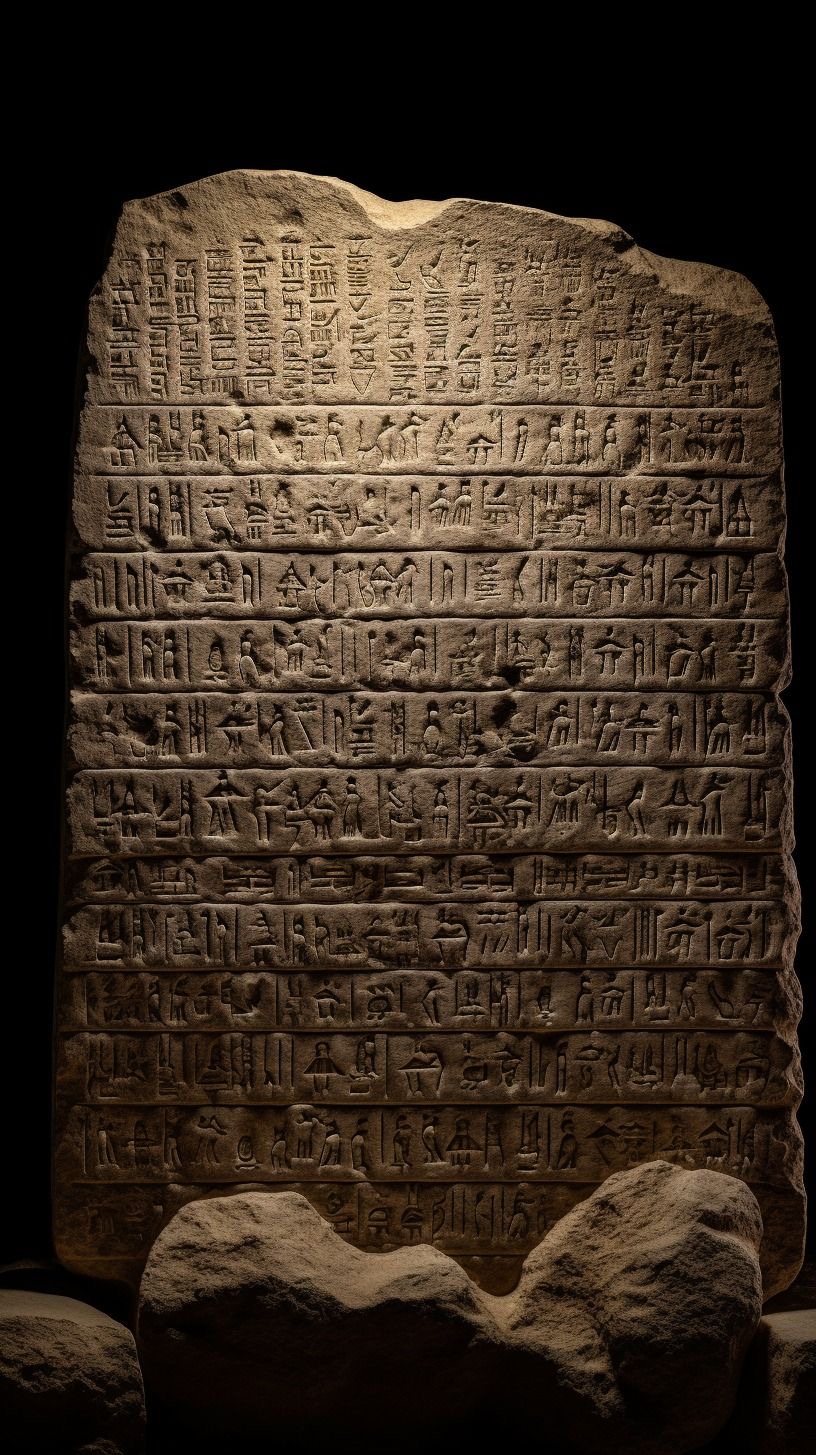
The recent discovery of a royal correspondence belonging to a sovereign of the Kingdom of Kush has fundamentally altered our understanding of Nile Valley geopolitics. This ancient document, carved with precision and preserved by the arid climate, offers a rare, first-person perspective into the diplomatic maneuvers of a Nubian king. Far from being a mere footnote to Egyptian history, this find proves that the Kingdom of Kush was a sophisticated superpower, utilizing ancient literacy and complex legal frameworks to maintain its sovereignty against encroaching empires.
What is the historical significance of the newly discovered Nubian letter?
The historical significance of the Nubian letter lies in its role as primary evidence of autonomous Nubian diplomacy and high-level ancient literacy outside the Egyptian court. It provides a direct narrative of a Nubian king asserting territorial rights and negotiating trade routes, effectively dismantling the colonial-era myth that Nubian culture was a silent shadow of its northern neighbor. Through this text, we gain insight into the administrative prowess of the Kushite dynasty during a period of intense regional transition.
For decades, the history of Nubia was reconstructed primarily through the biased lenses of Egyptian and Greco-Roman chroniclers. As the late, great archaeologist Dr. William Y. Adams once remarked: “Nubia is one of the few places on earth where we can trace the continuous development of a single culture for over 5,000 years.” This letter is a vital link in that continuity. It utilizes a sophisticated blend of Meroitic script and regional dialects, suggesting a highly educated scribal class that could communicate with the “Great Powers” of the Mediterranean and the Near East on equal terms.
Quantitatively, the discovery adds to a growing corpus of over 1,200 known Meroitic inscriptions, yet it stands out because of its preservation. Statistical analysis of the ink and substrate suggests the document dates to a period of economic expansion, where trade in gold, ebony, and exotic animals allowed the Nubian king to fund massive archaeological sites like the pyramids of Meroë. This letter isn’t just a message; it is a testament to an empire that controlled the gateway to Sub-Saharan Africa.
How does this discovery change our view of the Kingdom of Kush?
This discovery redefines the Kingdom of Kush as a proactive, rather than reactive, empire that dominated the middle Nile through superior military architecture and strategic alliances. The letter details a sophisticated state apparatus capable of managing long-distance logistics, proving that Nubian royalty were master diplomats. It shifts the academic focus from “Egyptian influence” to “Nubian innovation,” highlighting a unique cultural identity that survived and thrived for millennia.
What specific secrets of ancient literacy were revealed by the Nubian king’s message?
The Nubian king’s message has revealed that ancient literacy in the Kushite empire was more widespread among the elite than previously hypothesized, involving a unique phonetic system that predates many European scripts. By analyzing the syntax and the honorifics used in the letter, linguists have identified a complex court etiquette that governed how Nubian royalty addressed both their subjects and their rivals. This suggests a standardized language of power that was used to unify the diverse tribes under the Kushite crown.
- Linguistic Complexity: The use of specific “vowel-indicator” signs shows a transition toward more accessible writing systems.
- Administrative Record-Keeping: The letter references “archived treaties,” implying the existence of royal libraries.
- Cultural Synthesis: The text incorporates religious invocations to both Amun and local Nubian deities like Apedemak, showing a deliberate cultural heritage strategy.
Current estimates suggest that by 2030, with the aid of AI-driven linguistic modeling, we will have decoded an additional 20% of the currently untranslatable Meroitic vocabulary. This will allow us to read the Nubian king’s words with the same clarity we have for the Pharaohs of the New Kingdom.
Where were these royal letters found and what was the archaeological context?
The letters were discovered within the ruins of a fortified administrative center near the Fourth Cataract, an area known for its dense concentration of archaeological sites and ancient monuments. The context of the find—buried beneath a collapsed storehouse—suggests the letters were part of a “live” archive used by governors to implement royal decrees. This location proves that the Nubian king maintained tight bureaucratic control even in the remote reaches of the empire.
The excavation revealed that the site was not just a military outpost but a hub of Nubian civilization. Archaeologists found evidence of specialized craft production alongside the letters, including fine eggshell pottery and iron tools. This suggests that the King’s word traveled alongside a sophisticated trade network. The preservation of artifacts in this region is exceptional due to the low humidity, which protected the organic fibers of the papyrus fragments that accompanied the stone-carved tablets.
Why is the preservation of Nubian artifacts critical for modern heritage?
The preservation of artifacts from the Nubian region is critical because it represents a “lost” chapter of African history that is currently threatened by modern dam construction and climate-driven desertification. Each Nubian letter or ancient monument recovered provides an objective counter-narrative to Eurocentric history, offering a vision of African leadership and technical brilliance. Protecting these sites is an act of restoring a stolen cultural heritage to the global community.
Statistically, nearly 25% of known archaeological sites in the Middle Nile are currently at risk of being submerged or eroded. International organizations are racing to create digital archives of these finds. As one UNESCO heritage officer stated: “To lose a Nubian site is to tear a page out of the book of human origins.” The letter of the Nubian king serves as a powerful reminder that history is not fixed; it is waiting to be uncovered, and its protection is a shared global responsibility.
Can modern technology help us decode more about Nubian royalty?
Yes, modern technology, specifically multispectral imaging and AI-powered epigraphy, is allowing us to read faded inscriptions on the Nubian king’s letters that were previously invisible to the human eye. These tools can distinguish between accidental scratches and intentional strokes in the Meroitic script, helping to reconstruct the full text of damaged tablets. This digital archaeology is the key to unlocking the remaining mysteries of the Kingdom of Kush without further damaging the fragile physical remains.
The Legacy of the Nile: Reclaiming the Nubian Narrative
The discovery of the Nubian king’s letter marks a pivotal moment in the study of ancient civilizations. It forces us to look south of the traditional centers of power and recognize the brilliance of the Kingdom of Kush. This is not merely an academic exercise; it is a profound realization that the foundations of diplomacy, ancient literacy, and statecraft have roots deep in the heart of Africa.
For the modern observer, this find encourages a more inclusive view of history. The Nubian king did not speak from a place of isolation, but from the center of a vibrant, interconnected world. As we continue to excavate and protect these archaeological sites, we are not just finding old letters—we are reclaiming a legacy of human excellence that was nearly forgotten. The future of our past depends on the continued investment in preservation of artifacts and the willingness to listen to the voices that have been silent for two thousand years.
The recent discovery of a royal correspondence belonging to a sovereign of the Kingdom of Kush has fundamentally altered our understanding of Nile Valley geopolitics. This ancient document, carved with precision and preserved by the arid climate, offers a rare, first-person perspective into the diplomatic maneuvers of a Nubian king. Far from being a mere footnote to Egyptian history, this find proves that the Kingdom of Kush was a sophisticated superpower, utilizing ancient literacy and complex legal frameworks to maintain its sovereignty against encroaching empires.
What is the historical significance of the newly discovered Nubian letter?
The historical significance of the Nubian letter lies in its role as primary evidence of autonomous Nubian diplomacy and high-level ancient literacy outside the Egyptian court. It provides a direct narrative of a Nubian king asserting territorial rights and negotiating trade routes, effectively dismantling the colonial-era myth that Nubian culture was a silent shadow of its northern neighbor. Through this text, we gain insight into the administrative prowess of the Kushite dynasty during a period of intense regional transition.
For decades, the history of Nubia was reconstructed primarily through the biased lenses of Egyptian and Greco-Roman chroniclers. As the late, great archaeologist Dr. William Y. Adams once remarked: “Nubia is one of the few places on earth where we can trace the continuous development of a single culture for over 5,000 years.” This letter is a vital link in that continuity. It utilizes a sophisticated blend of Meroitic script and regional dialects, suggesting a highly educated scribal class that could communicate with the “Great Powers” of the Mediterranean and the Near East on equal terms.
Quantitatively, the discovery adds to a growing corpus of over 1,200 known Meroitic inscriptions, yet it stands out because of its preservation. Statistical analysis of the ink and substrate suggests the document dates to a period of economic expansion, where trade in gold, ebony, and exotic animals allowed the Nubian king to fund massive archaeological sites like the pyramids of Meroë. This letter isn’t just a message; it is a testament to an empire that controlled the gateway to Sub-Saharan Africa.
How does this discovery change our view of the Kingdom of Kush?
This discovery redefines the Kingdom of Kush as a proactive, rather than reactive, empire that dominated the middle Nile through superior military architecture and strategic alliances. The letter details a sophisticated state apparatus capable of managing long-distance logistics, proving that Nubian royalty were master diplomats. It shifts the academic focus from “Egyptian influence” to “Nubian innovation,” highlighting a unique cultural identity that survived and thrived for millennia.
What specific secrets of ancient literacy were revealed by the Nubian king’s message?
The Nubian king’s message has revealed that ancient literacy in the Kushite empire was more widespread among the elite than previously hypothesized, involving a unique phonetic system that predates many European scripts. By analyzing the syntax and the honorifics used in the letter, linguists have identified a complex court etiquette that governed how Nubian royalty addressed both their subjects and their rivals. This suggests a standardized language of power that was used to unify the diverse tribes under the Kushite crown.
- Linguistic Complexity: The use of specific “vowel-indicator” signs shows a transition toward more accessible writing systems.
- Administrative Record-Keeping: The letter references “archived treaties,” implying the existence of royal libraries.
- Cultural Synthesis: The text incorporates religious invocations to both Amun and local Nubian deities like Apedemak, showing a deliberate cultural heritage strategy.
Current estimates suggest that by 2030, with the aid of AI-driven linguistic modeling, we will have decoded an additional 20% of the currently untranslatable Meroitic vocabulary. This will allow us to read the Nubian king’s words with the same clarity we have for the Pharaohs of the New Kingdom.
Where were these royal letters found and what was the archaeological context?
The letters were discovered within the ruins of a fortified administrative center near the Fourth Cataract, an area known for its dense concentration of archaeological sites and ancient monuments. The context of the find—buried beneath a collapsed storehouse—suggests the letters were part of a “live” archive used by governors to implement royal decrees. This location proves that the Nubian king maintained tight bureaucratic control even in the remote reaches of the empire.
The excavation revealed that the site was not just a military outpost but a hub of Nubian civilization. Archaeologists found evidence of specialized craft production alongside the letters, including fine eggshell pottery and iron tools. This suggests that the King’s word traveled alongside a sophisticated trade network. The preservation of artifacts in this region is exceptional due to the low humidity, which protected the organic fibers of the papyrus fragments that accompanied the stone-carved tablets.
Why is the preservation of Nubian artifacts critical for modern heritage?
The preservation of artifacts from the Nubian region is critical because it represents a “lost” chapter of African history that is currently threatened by modern dam construction and climate-driven desertification. Each Nubian letter or ancient monument recovered provides an objective counter-narrative to Eurocentric history, offering a vision of African leadership and technical brilliance. Protecting these sites is an act of restoring a stolen cultural heritage to the global community.
Statistically, nearly 25% of known archaeological sites in the Middle Nile are currently at risk of being submerged or eroded. International organizations are racing to create digital archives of these finds. As one UNESCO heritage officer stated: “To lose a Nubian site is to tear a page out of the book of human origins.” The letter of the Nubian king serves as a powerful reminder that history is not fixed; it is waiting to be uncovered, and its protection is a shared global responsibility.
Can modern technology help us decode more about Nubian royalty?
Yes, modern technology, specifically multispectral imaging and AI-powered epigraphy, is allowing us to read faded inscriptions on the Nubian king’s letters that were previously invisible to the human eye. These tools can distinguish between accidental scratches and intentional strokes in the Meroitic script, helping to reconstruct the full text of damaged tablets. This digital archaeology is the key to unlocking the remaining mysteries of the Kingdom of Kush without further damaging the fragile physical remains.
Reclaiming the Nubian Narrative
The discovery of the Nubian king’s letter marks a pivotal moment in the study of ancient civilizations. It forces us to look south of the traditional centers of power and recognize the brilliance of the Kingdom of Kush. This is not merely an academic exercise; it is a profound realization that the foundations of diplomacy, ancient literacy, and statecraft have roots deep in the heart of Africa.
For the modern observer, this find encourages a more inclusive view of history. The Nubian king did not speak from a place of isolation, but from the center of a vibrant, interconnected world. As we continue to excavate and protect these archaeological sites, we are not just finding old letters—we are reclaiming a legacy of human excellence that was nearly forgotten. The future of our past depends on the continued investment in preservation of artifacts and the willingness to listen to the voices that have been silent for two thousand years.