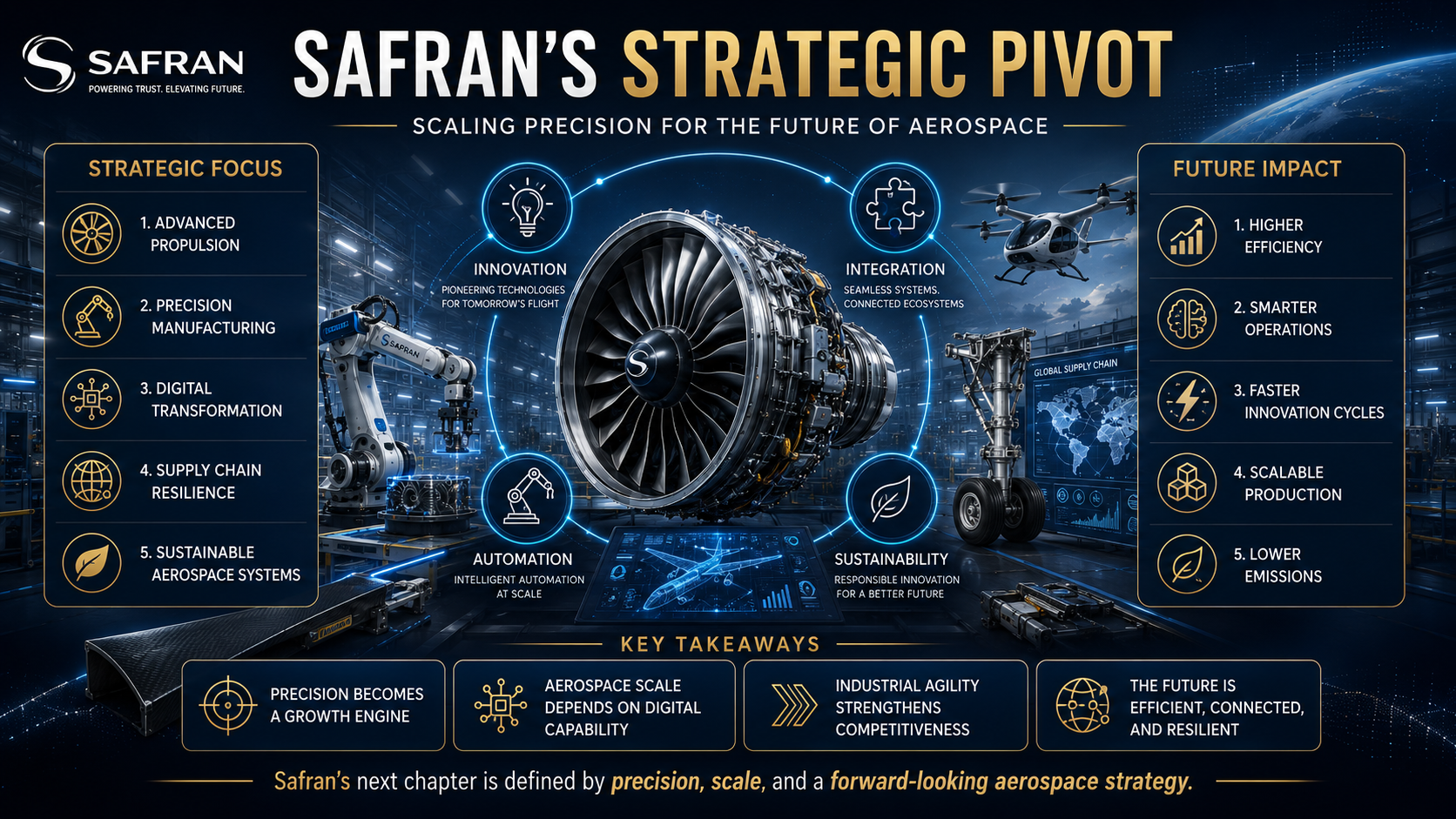
Safran is consolidating its position as a global leader in high-performance aerospace navigation by prioritizing industrial scale in key sensor technologies. The company has announced a €120 million investment for the mass production of a new type of high-tech HRG (Hemispherical Resonator Gyro) sensors, which are a critical component for modern navigation systems in aviation and space. This commitment underlines the transition from niche prototype manufacturing to high-volume production required to meet the demands of 21st-century aerospace challenges.
What are HRG sensors and why are they vital for modern navigation?
Hemispherical Resonator Gyro (HRG) sensors serve as the “inner ear” of advanced aircraft and spacecraft, providing unparalleled precision in orientation and motion tracking. Unlike traditional mechanical or optical gyroscopes, HRGs utilize the vibration of a quartz hemisphere to detect minute rotations. This solid-state design eliminates the need for moving parts, which drastically improves reliability, reduces maintenance costs, and ensures operational stability over decades in the harsh environments of space or high-altitude flight.
The recent investment by Safran is aimed at making these high-precision instruments accessible for broader commercial and military applications. As aerospace systems become increasingly autonomous, the demand for drift-free, reliable navigation data has reached a critical threshold. These sensors are the fundamental building blocks for Inertial Navigation Systems (INS) that operate in environments where GPS/GNSS signals are either unavailable or subject to interference. By industrializing HRG production, Safran is effectively lowering the barrier for entry into the high-precision navigation market.
How does the €120 million investment reshape production capabilities?
This capital injection enables the construction of state-of-the-art manufacturing lines capable of maintaining sub-micron precision at high volumes. By automating the delicate assembly of the glass-blown resonators, Safran aims to decrease production lead times by approximately 40%, ensuring that they can supply both the rapid-growth commercial satellite market and the intensive requirements of next-generation defense aviation simultaneously.
The scale of this factory upgrade suggests a long-term vision. Industry analysts project that the demand for inertial sensors in satellite constellations and tactical drones will grow by an annual rate of 8-10% through the end of the decade. Safran is positioning itself to be the primary tier-one supplier for this infrastructure, ensuring that its hardware becomes the gold standard for global navigation security.
What role does navigation play in the current push for autonomous flight?
Autonomous flight relies on a continuous, high-fidelity stream of positional data to manage everything from course correction to collision avoidance. Because satellites and long-range aircraft often operate in signal-denied theaters, the internal navigation system must operate independently of external inputs. HRG technology provides this independence with virtually zero error accumulation, even during long-duration missions.
“The democratization of space and the proliferation of unmanned aerial platforms have fundamentally shifted the requirements for inertial navigation; reliability and miniaturization are no longer optional—they are the prerequisite for operation.” — Aerospace Technology Strategist
Furthermore, the integration of these sensors into modular navigation suites allows for a “plug-and-play” architecture, which significantly simplifies the certification and maintenance processes for aerospace manufacturers. This standardization, driven by Safran’s industrialization efforts, is likely to foster a new generation of aircraft capable of performing complex missions with minimal human intervention.
How will this technological advancement affect aerospace sustainability?
By improving the lifespan and reliability of navigation systems, Safran is contributing to the overarching goal of reducing lifecycle waste in aviation. Solid-state sensors like HRGs, which do not degrade from mechanical wear, allow for longer intervals between component replacements. This reduces the carbon footprint associated with manufacturing, shipping, and installing replacement parts across a global fleet.
Additionally, the precision offered by these sensors enables more efficient flight path optimization. More accurate navigation means less fuel consumption during long-haul flights or precise station-keeping for satellites, which directly translates into reduced operational energy requirements over the lifetime of the vehicle.
Can Safran maintain its edge against growing global competition?
Safran maintains a distinct competitive advantage through its vertical integration and deep expertise in glass processing and vacuum sealing, which are the most complex aspects of HRG production. While other manufacturers can produce basic inertial sensors, the ability to maintain consistent, high-performance output at this scale is a formidable barrier to entry that competitors will struggle to overcome in the near term.
The firm’s strategy is clearly focused on protecting its intellectual property while simultaneously scaling to ensure that it remains the partner of choice for defense and space agencies. By embedding its technology into the core architecture of both commercial aviation and defense logistics, Safran ensures that its systems will remain standard equipment for the foreseeable future.
Preparing for a New Era of Navigational Resilience
The massive investment in HRG production marks a decisive move by Safran to secure its role in the next era of aerospace development. As the aviation industry trends toward increased autonomy and a higher density of satellite-based infrastructure, the necessity for robust, dependable, and high-precision navigation has never been more urgent.
By prioritizing the mass production of these sensors, Safran is not just building a component; it is building the foundational infrastructure that will enable the next generation of flight. As the manufacturing lines become fully operational, the company is set to define the technical parameters for navigation across global markets. The transition toward high-tech, solid-state sensors is not merely an incremental upgrade—it is a transformation that will influence how aircraft navigate the skies and how satellites traverse orbit for the decades to come. Through this initiative, Safran ensures its relevance as a cornerstone of global aerospace technology, providing the invisible but vital intelligence that keeps modern fleets on course.