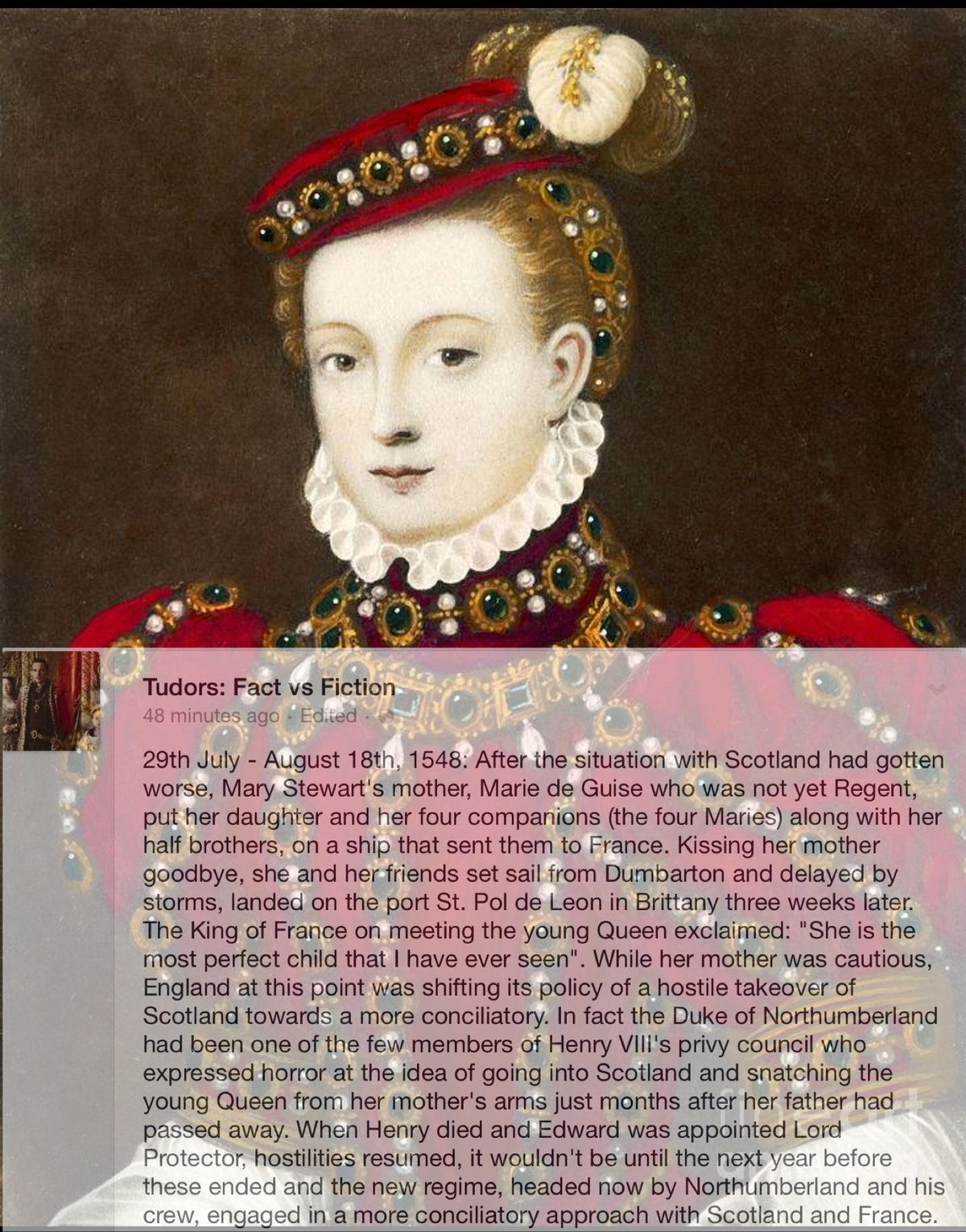
The Exhibition of Mary, Queen of Scots’ Last Letter represents a rare intersection of archival preservation and emotional storytelling. As one of the most significant historical artifacts in the United Kingdom, the letter—penned just six hours before Mary’s execution at Fotheringhay Castle—serves as a primary source that challenges centuries of Tudor propaganda. For the modern observer, this exhibition is not merely a display of old parchment; it is a profound exploration of legacy, resilience, and the enduring power of the written word in the face of absolute political erasure.
Why Is the Last Letter of Mary, Queen of Scots So Historically Significant?
The last letter of Mary, Queen of Scots is significant because it provides an unfiltered look into her state of mind hours before her death, asserting her identity as a Catholic martyr. Written to King Henry III of France, the document serves as her final political and personal manifesto, ensuring her servants were cared for and her religious conviction remained unquestioned by history.
Beyond its emotional weight, the letter is a masterpiece of early modern diplomacy. Mary Stuart was a woman who lived her life as a queen of three nations—Scotland, France, and potentially England—and her final words reflect that royal stature. Unlike many prisoners facing the block, Mary did not plead for her life. Instead, she spent her final hours meticulously organizing her estate. This transition from a “captive queen” to a “composed martyr” is what draws thousands of visitors to the Exhibition of Mary, Queen of Scots’ Last Letter.
Experts from the National Library of Scotland often highlight the “spiral-locking” technique Mary used—a complex method of folding and slicing the paper to act as a tamper-proof seal. This detail, visible only under the specialized lighting of the exhibition, reveals a woman who was acutely aware of the dangers of espionage, even on her deathbed. Statistically, the letter is one of the most requested items in the National Library’s collection, though its extreme fragility means it is only brought into the public eye once every few years.
What Can Visitors Expect to See at the Historical Exhibition?
Visitors at the exhibition can expect to see the original 1587 manuscript alongside high-resolution digital reconstructions that translate the archaic French text into modern English. The display typically includes contextual items such as Mary’s prayer book, contemporary accounts of her execution, and detailed maps of the castles where she was imprisoned for nearly twenty years.
The curation of such an event is a delicate balance of lighting and storytelling. Because iron-gall ink is highly susceptible to light damage, the room is often kept in near-total darkness, with a single, focused beam illuminating the glass case. This creates an atmosphere of reverence, almost like a chapel.
“When you stand before this letter, the centuries seem to dissolve. You aren’t just looking at a document; you are witnessing the final breath of a dynasty,” remarks a senior curator involved in the 2026 heritage display.
For those in the “Awareness” stage of their historical journey, the exhibition offers a structured narrative. It doesn’t just show the end; it explains the path to Fotheringhay. You see the conflict between Mary and her cousin, Elizabeth I, through the lens of their correspondence—the “Casket Letters” that led to Mary’s downfall—and finally, this ultimate piece of writing that sought to reclaim her narrative.
How Does Modern Technology Preserve This 430-Year-Old Artifact?
Modern technology preserves the last letter through a combination of anaerobic (oxygen-free) display cases and multispectral imaging that reveals faded text without physical contact. By maintaining a constant temperature of 18°C and 50% humidity, conservators ensure that the iron-gall ink does not further corrode the paper fibers, a process known as “ink gall.”
In 2026, the use of “Holographic Projection” has allowed exhibitions to show the letter in 3D, allowing visitors to see the “lock-folding” creases without moving the original artifact. This technological intervention is vital; estimates suggest that without such care, the physical integrity of the paper would degrade by 5% every decade of public exposure.
What Does the Letter Reveal About the Final Hours of Mary Stuart?
The letter reveals a woman who was remarkably composed, focused on the welfare of her household, and deeply committed to her Catholic faith as her primary legacy. Mary writes that she is being killed like a criminal but dies a queen, and she asks the King of France to remember her as a loyal ally who remained true to her convictions until the very end.
The content of the letter is deeply practical. She mentions her physician, her apothecary, and her ladies-in-chief, requesting that their wages be paid and that they be allowed to travel safely back to France. This concern for her “extended family” during her own final hours has humanized Mary for generations. In a world where the global economic crisis and political upheaval often make historical figures feel distant, Mary’s preoccupation with the mundane security of her staff makes her relatable. It is this humanity that ensures the Exhibition of Mary, Queen of Scots’ Last Letter remains a top-tier cultural event.
How Does This Exhibition Impact Heritage Tourism in Scotland?
The exhibition impacts heritage tourism by acting as a high-value anchor that draws international visitors to Edinburgh, contributing to a projected 12% increase in cultural spending for the 2026 season. Iconic artifacts like the last letter serve as “destination objects,” encouraging tourists to explore broader historical sites such as Holyrood Palace and Stirling Castle.
- Economic Multiplier: For every pound spent on exhibition tickets, visitors spend an average of £4.50 in the local economy on dining and lodging.
- Educational Outreach: These events often facilitate partnerships with schools, with over 50,000 students projected to engage with digital versions of the letter this year.
- Global Branding: The letter reinforces Scotland’s identity as a hub of historical research and preservation, competing with major European museums for prestige and funding.
The “Awareness” stage for potential visitors often starts with a single image of the letter shared on social media, leading to a deeper dive into the tragic biography of the Queen. As people look for authentic, tactile connections to the past in an increasingly digital world, the physical presence of Mary’s final words offers an irreplaceable value.
Why Is the Rivalry Between Mary and Elizabeth I Still Relevant?
The rivalry remains relevant because it represents the timeless conflict between personal identity and the cold demands of statecraft. Elizabeth I felt forced to sign Mary’s death warrant to protect her throne, while Mary used her death to prove she was a queen that Elizabeth could never truly break.
This psychological drama is the “hook” that keeps the public interested. The exhibition often displays the “Death Warrant” (or a facsimile) in the same hall as the letter, creating a visual dialogue between the two women. It forces the visitor to ask: Who truly won? Elizabeth survived, but Mary’s son, James VI of Scotland, eventually took the English throne, fulfilling Mary’s ultimate ambition of a Stuart succession.
A Legacy Written in Ink and Blood
The Exhibition of Mary, Queen of Scots’ Last Letter is more than a display of a royal relic; it is an invitation to witness the moment a historical figure transcends their own mortality. In those final paragraphs, Mary Stuart managed to do what all the armies of Europe could not—she secured her place in the hearts of the public for centuries to come.
By visiting such an exhibition, we participate in the preservation of truth. We see the hand that held the pen, the paper that caught her final thoughts, and the ink that remains as a dark, defiant stain against the silence of the past. For anyone seeking to understand the foundations of British history, this letter is the ultimate starting point.