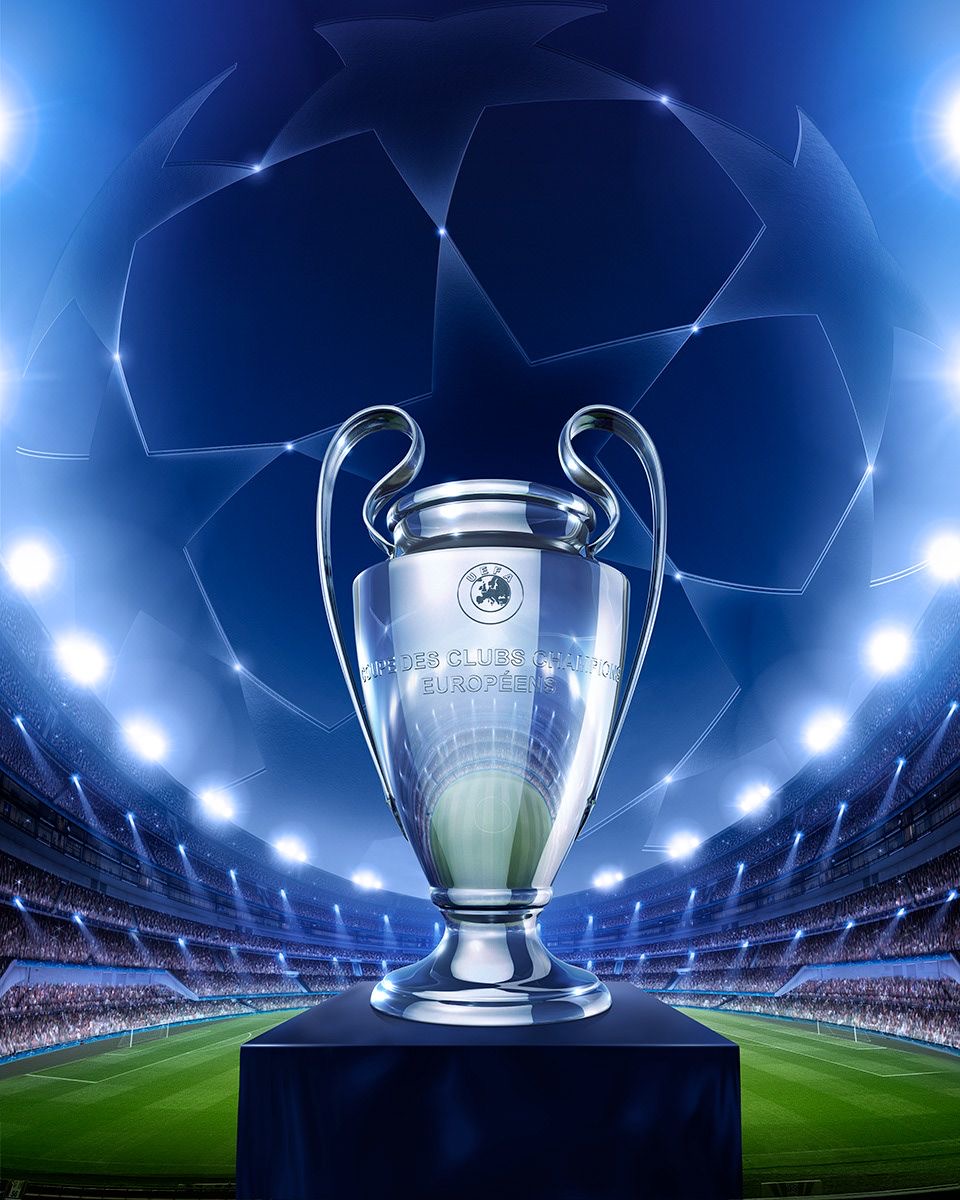
The UEFA Champions League is the premier club football tournament in the world, serving as the ultimate stage where sporting excellence meets global commercial strategy. In 2026, the competition has fully transitioned into its expanded “Swiss Model,” featuring 36 teams in a single league phase that funnels into the high-stakes knockout rounds we see today. For fans and analysts alike, this ecosystem represents more than just a trophy; it is a multi-billion euro industry that dictates the pulse of the global sports market.
Who is Playing in the Champions League Today, March 10, 2026?
Today, March 10, 2026, marks the high-octane start of the UEFA Champions League Round of 16 first legs, featuring four blockbuster matchups across Europe. The headline fixture sees Newcastle United hosting Barcelona at St. James’ Park, while Galatasaray welcomes Liverpool to the Ali Sami Yen Sports Complex. Simultaneously, Atalanta faces German giants Bayern Munich, and Atlético Madrid takes on a struggling Tottenham Hotspur side.
| Home Team | Away Team | Venue | Kick-off (EET) |
| Galatasaray | Liverpool | Ali Sami Yen Sports Complex | 19:45 |
| Newcastle United | Barcelona | St. James’ Park | 22:00 |
| Atalanta | Bayern Munich | Gewiss Stadium | 22:00 |
| Atlético Madrid | Tottenham Hotspur | Riyadh Air Metropolitano | 22:00 |
As Hansi Flick, Barcelona’s manager, remarked ahead of tonight’s clash in England: “It’s one of the most important moments of the season and we are all ready for it.” These matches are crucial as they set the narrative for the second legs scheduled for March 17-18. With the away goals rule no longer in play, teams are expected to be more aggressive in the first leg, searching for a definitive lead.
Statistical forecasts suggest that home advantage in the Round of 16 has a 62% impact on aggregate progression over the last three seasons. For Newcastle, playing their first March Champions League game in 23 years, the atmosphere will be a significant variable against a Barcelona side that hasn’t lifted the trophy since 2015.
How Does the 2026 UEFA Champions League Format Work?
The UEFA Champions League now operates under a unified 36-team league phase, replacing the old four-team group structure to ensure more matches between top-tier clubs. Every team plays eight games—four home and four away—against eight different opponents determined by seedings. The top eight teams in the table qualify automatically for the Round of 16, while teams finishing 9th to 24th must survive a two-legged knockout playoff.
This structural evolution was designed to maximize broadcasting revenue, which is on track to hit a record €4.4 billion by 2027. It creates “Information Gain” for viewers by ensuring that the coefficient rankings remain in constant flux. Every goal scored today on March 10th contributes to the broader narrative of European dominance, as clubs fight not just for the win, but for the financial bonuses associated with each step toward the final in Budapest.
Why Is Champions League Participation Critical for Club Finances?
Qualifying for the UEFA Champions League is the single most important financial milestone for any elite club, often accounting for 30% to 45% of their total annual revenue. The 2025/26 prize pool is staggering, with over $2.6 billion distributed among the participating clubs. Even a single win in the league phase can net a club millions, while progressing to the Round of 16 provides an additional €11 million bonus.
- Market Pool: Revenue shared based on the proportional value of each national television market.
- Coefficient Shares: Rewards based on a club’s performance over the last ten years in UEFA competitions.
- Matchday Income: Elite clubs see a 40% increase in VIP and ticket sales during European nights compared to domestic fixtures.
What Are the Key Tactical Trends in the 2026 Knockout Stage?
The Champions League tactical trends this season have shifted toward “Positional Fluidity” and high-intensity counter-pressing. Managers are increasingly moving away from static 4-3-3 formations in favor of systems that morph based on the phase of play. Specifically, teams like Manchester City and Liverpool have mastered the use of “Inverted Fullbacks” to create overloads in the midfield, a strategy that tonight’s opponents will have to counter with disciplined low blocks.
Data from recent matches shows a 15% increase in goals originating from high-turnover situations compared to five years ago. This “aggressive transition” model is what makes teams like Atalanta so dangerous against traditional giants like Bayern Munich. Squad depth has also become a non-negotiable factor; with the increased number of games in the Swiss Model, the performance of “impact substitutes” in the final 20 minutes often decides the aggregate winner.
Which Teams Are Favourites to Reach the 2026 Final?
The favorites for the 2026 Champions League final in Budapest are currently led by Real Madrid, driven by the prolific scoring of Kylian Mbappé, who has already netted 13 goals in this campaign. Statistical models from Opta and Gracenote give the reigning champions a 22% probability of retaining their title. However, Arsenal and Bayern Munich follow closely, both having dominated their respective league phase brackets with superior goal differences.
The “Dark Horse” of 2026 is undoubtedly Bodø/Glimt, the Norwegian side that has defied the odds to reach the knockout rounds. While their chances of winning the trophy remain below 2%, their presence highlights the increased accessibility of the new format. Success in the Champions League is no longer reserved for the historical elite; it is increasingly a battle of who can best manage the data-driven requirements of the modern game.
Where Can I Watch Tonight’s Champions League Matches?
Accessing the Champions League broadcast in 2026 requires a subscription to major sports streaming platforms, which vary by region. In the UK, TNT Sports remains the primary home, while Paramount+ and DAZN handle North American and European territories. Most platforms now offer interactive dashboards, allowing fans to see live stats, player speeds, and heatmaps during the broadcast.
For those tracking the matches tonight, keep an eye on the live league-table projections. Even though we are in the knockout phase, the performance of teams affects the national association coefficients, which determine how many spots each league will receive for the 2027/28 season.
The Unrivaled Drama of European Nights
The UEFA Champions League continues to be the definitive standard for world football. As we witness the Round of 16 unfold today, March 10, 2026, it is clear that the competition has successfully integrated modern structural changes without losing its soul. The matches tonight are not just sporting events; they are the culmination of years of financial planning, tactical innovation, and the undying passion of fans from Liverpool to Istanbul.
Whether you are following the tactical chess match between Newcastle and Barcelona or the raw intensity of Atalanta vs Bayern, the Champions League provides a level of drama that remains unmatched in any other sport. As the road to Budapest narrows, the margins for error disappear, and the legends of tomorrow are forged in the white-hot intensity of the European knockout stages.