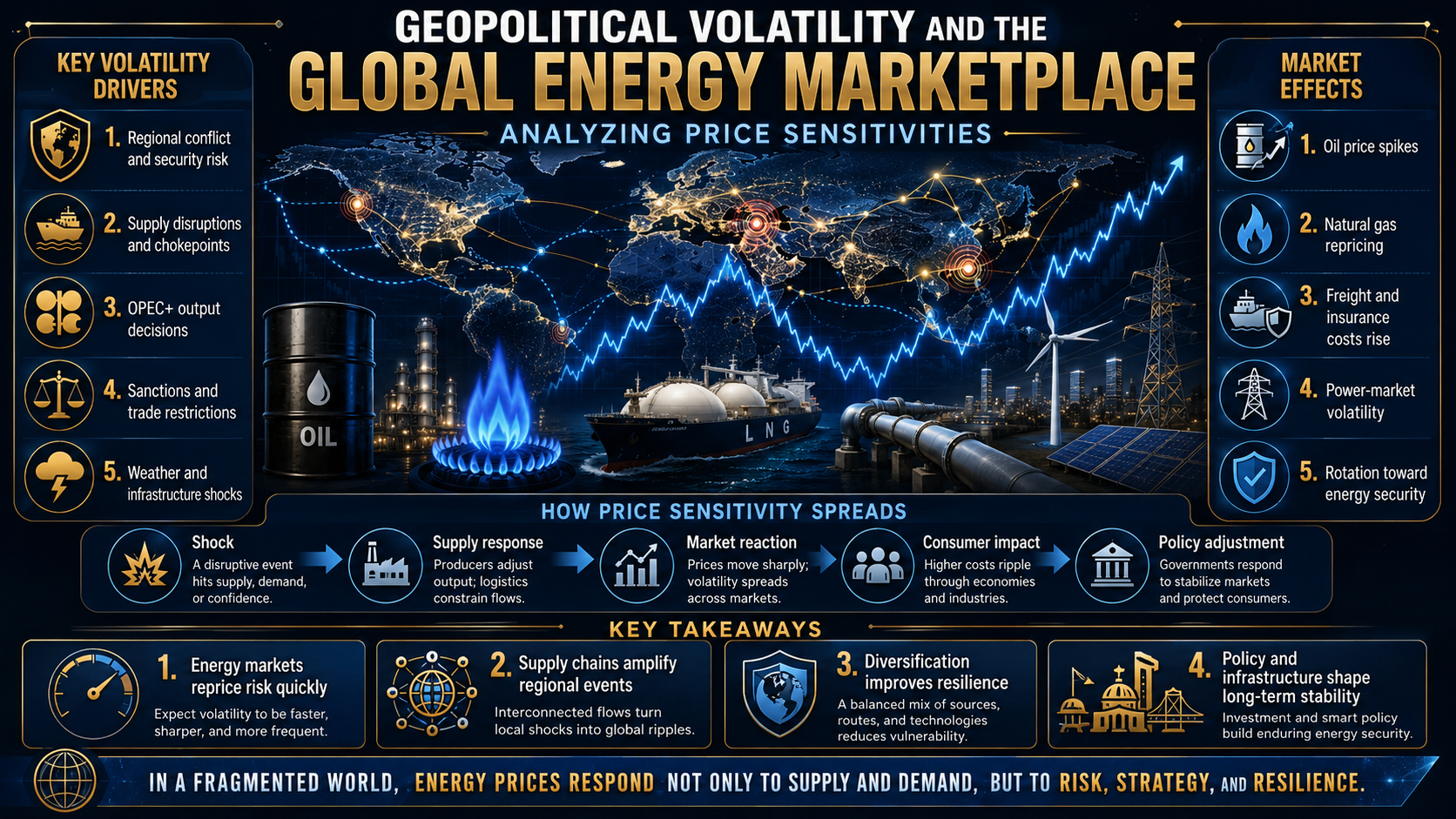
The intersection of geopolitical diplomacy and commodity pricing remains one of the most volatile variables in the global economy. Commodities: Crude oil prices fell after Donald Trump hinted at progress in ceasefire negotiations in Iran, even though Iranian officials signaled a stalemate. This paradox illustrates how market perception, often driven by high-level political rhetoric, can temporarily outweigh hard diplomatic realities, creating significant shifts in energy pricing before formal agreements are ever reached.
Why does political rhetoric cause immediate fluctuations in crude oil prices?
Oil markets operate on a forward-looking basis, where traders continuously price in potential geopolitical risks or resolutions long before they materialize on the ground. When influential political figures suggest that supply disruptions—such as those related to Iranian output—may be resolved through diplomacy, the “geopolitical risk premium” is immediately stripped out of the price, leading to an instant decline in valuation.
This mechanism is amplified by the fact that oil is the most sensitive global commodity to supply-chain stability. Any hint of increased production capacity or reduced regional tension is viewed as a bearish signal for prices. The divergence between rhetoric and reality, as seen when officials disagree on the status of a stalemate, often leads to a period of “whipsaw” volatility where prices fluctuate wildly as the market attempts to reconcile conflicting information sources and determine the true probability of a lasting supply-side shift.
What is the strategic importance of monitoring the Iranian supply narrative?
Iran remains a critical pivot point in global energy security due to its significant reserves and its influence over maritime corridors like the Strait of Hormuz. Any negotiation progress implies a potential normalization of Iranian exports, which would theoretically increase global supply, put downward pressure on prices, and alleviate some of the inflationary burdens faced by energy-importing nations.
How do market participants navigate the gap between diplomatic hints and reality?
Sophisticated market participants utilize a multi-layered approach to evaluate diplomatic signals, distinguishing between “public posturing” and “back-channel progress.” By analyzing freight tracking data, satellite imagery of oil terminal activity, and official state communication, they can determine if a “ceasefire” or “negotiation progress” is manifesting in actual supply increases or if it remains purely symbolic.
Statistical models currently suggest that if a full-scale resolution were achieved, potentially adding hundreds of thousands of barrels to the daily market supply, crude prices could see a structural correction of 5–7% within a single quarter. However, as long as officials continue to signal a stalemate, this potential supply surge remains speculative, forcing the market to maintain a higher price floor to account for the ongoing uncertainty and the persistent risk of localized conflict escalation in the Middle East.
“Markets do not trade on the truth; they trade on the interpretation of the truth. When political leaders move the needle of expectation, the capital flows in accordance with that expectation, regardless of the underlying friction.” — Commodity Strategy Analyst
What are the long-term trends affecting the stability of crude markets?
The transition toward renewable energy sources and the increasing efficiency of global logistics are gradually decoupling the intensity of energy demand from economic output. While crude oil remains the primary energy source for industrial production and transit, the long-term trend lines indicate a slow shift away from reliance on unstable, supply-constrained, and geopolitically sensitive regions.
Are traditional commodities becoming less predictable in the 2026 landscape?
Yes, the traditional models of supply and demand are being disrupted by a new paradigm of “polycrisis,” where environmental, technological, and geopolitical factors converge simultaneously. Previously, supply shocks were mostly local or regional; today, the globalization of finance ensures that a stalemate in a specific geographic corridor can reverberate through every investment portfolio globally within milliseconds.
Furthermore, the rise of algorithmic trading means that information is consumed and acted upon at speeds that leave little room for human nuance. This has created a environment where commodities are increasingly governed by the “narrative of the day” rather than the slow-moving fundamentals of extraction and consumption. Investors must now be as proficient in reading political intent as they are in analyzing production output, as the two are now inextricably linked in the valuation process.
Conclusion: Synthesizing Geopolitical Insight with Market Strategy
The recent fluctuation in crude oil prices highlights the ongoing reality that geopolitical stability is the invisible anchor for global energy costs. Investors and businesses must recognize that the gap between a political “hint” and a diplomatic “stalemate” is where significant capital is won or lost. Relying on superficial headlines is a dangerous strategy; instead, participants should focus on the underlying fundamentals—production volume, infrastructure throughput, and real-time maritime logistics—that eventually dictate reality, regardless of what is said at the negotiating table.
Navigating this terrain requires an objective, dispassionate view. While political figures seek to influence markets through rhetoric, the commodity market eventually reverts to the cold logic of supply and demand. By prioritizing deep analysis of supply-side data over volatile geopolitical commentary, market participants can successfully position themselves to withstand the periodic tremors of diplomatic friction. As we continue through 2026, the ability to filter out the noise of political negotiation while keeping a steady eye on the physical reality of the global energy market will remain the defining characteristic of a successful and objective commodity strategy. The energy sector remains the most sensitive indicator of global health, and understanding its response to political pressure is the ultimate test of any strategic foresight.